
Forsyth County Resident Lookup Records
One person can leave several different kinds of public record in Forsyth County. A tax card ties a recorded owner to a parcel, while a voter entry can show current registration information when it is public. Court and estate records can connect a person to a case, an heir role, or a filing date. Vital indexes establish an event, but they do not make every certificate open for unrestricted copying. Treat each source as evidence with a defined purpose, not as a complete household list.
| Record | What It Confirms | Where | Access |
|---|---|---|---|
| Tax property card | Recorded owner, tax mailing address, situs, parcel clues | Forsyth Tax Administration | Public online search by owner, address, REID, or PIN |
| Recorded deed | Title transfer, parties, legal description, recording reference | ForsythDeeds | Free index and real-estate images; copies have a fee |
| Voter registration | Public residence address, status, precinct, and voting history | NC State Board of Elections Voter Search | Individual online search; protected information stays closed |
| Court and estate file | Case identity, filing history, disposition, executor, or heirs | NC eCourts Portal and Forsyth Clerk | Portal, clerk terminal, paper file, or copy request |
| Vital index or certificate | Birth, death, marriage, or divorce event | Register of Deeds, NC Vital Records, Clerk, or Archives | Indexes differ from certificates; eligibility rules apply |
| Business or license filing | Public affiliation, entity role, or license status | NC Secretary of State | Interactive public search, with record-specific fields |
Start with the most specific fact already known. An address usually points first to the tax card and deed, while a full name plus an approximate year can narrow voter or court results. A former business name may lead to an assumed-name filing or entity record, but an officer or agent listing is an affiliation, not proof that a person lives at that address.
Searching Forsyth County Court Names
Forsyth County is in Judicial District 31. North Carolina completed its statewide eCourts conversion on October 13, 2025, and the public Portal is now the web entry for case information. Search by party or name, case number, attorney, and the available county or case selectors. A clerk public self-service terminal adds defendant, victim, and witness-name routes for criminal searches. Use a case number when one is known, because it sharply reduces confusion between people with similar names.
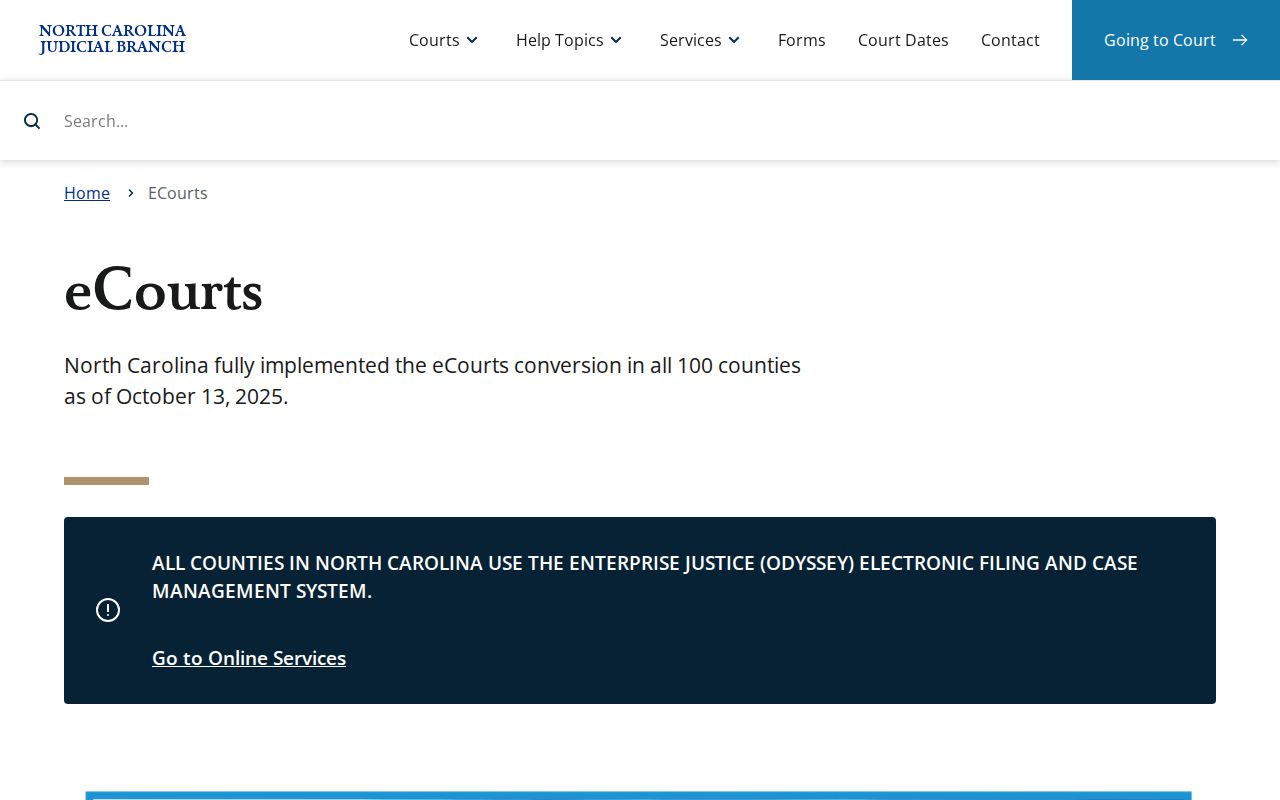
North Carolina eCourts documents the statewide Odyssey system used for the Portal. The image below shows that official transition page. The online display is useful for locating a case, but it does not itself make the result a certified record.
For an older, restricted, or certified file, use the clerk route that keeps the underlying case record.
| Result detail | How to use it |
|---|---|
| Party name and role | Compare spelling, initials, and the person’s role before treating the case as a match. |
| Case number and case type | Keep both identifiers when asking the clerk for a file or copy. |
| Filing date, hearings, judgment, or disposition | Use the date to compare against a deed, directory, obituary, or vital event. |
| Document availability | Confirm whether a public document link exists; some paper and restricted material remains at the clerk. |
Juvenile, sealed, expunged, adoption, confidential family, and protected victim or witness material can be unavailable. An expunction is a court process for clearing a record, not a request to remove an official result from an unrelated search.
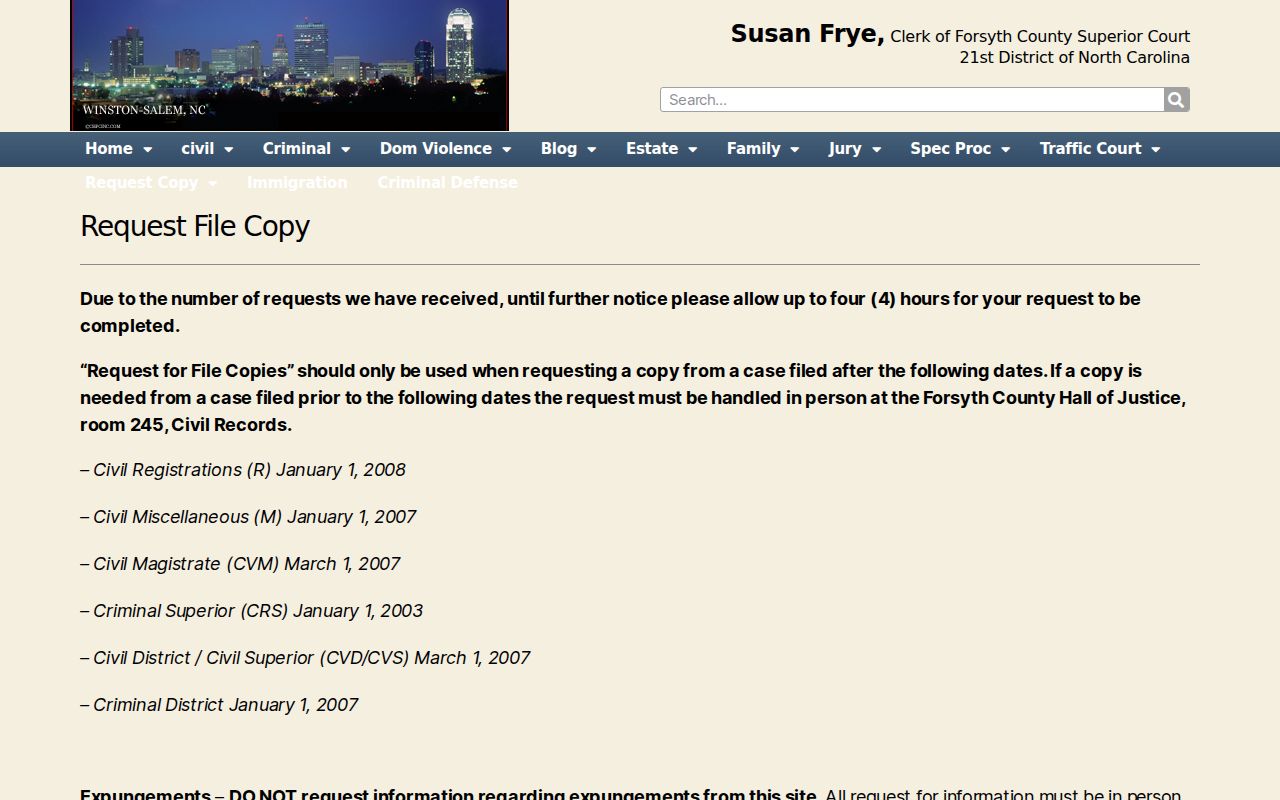
Forsyth’s civil-file request instructions show the practical fallback: regular copies cost $2 for the first page and $0.25 for each additional page; certified copies cost $3 for the first page and $0.25 for each additional page. Mail requests need a self-addressed prepaid envelope and certified funds, while files over 50 pages are handled in person.
The civil-file request form illustrates the case-number format and copy route used by the Clerk. That detail helps turn a Portal result into a focused request instead of a name-only inquiry.
Call the Clerk before traveling when an archived-file cutoff or the in-person rule may affect the request.
Forsyth County Resident Lookup Matches
Names alone are weak evidence in a county this large. Build a three-field comparison instead: a name variation, an address or parcel detail, and one independent date or relationship. Check initials, middle names, double surnames, maiden or married names, punctuation, and Jr. or Sr. suffixes. The local vital-copy process specifically accounts for nontraditional spellings and court-ordered name changes, so a near match is a reason to test a variant, not a reason to merge two people.
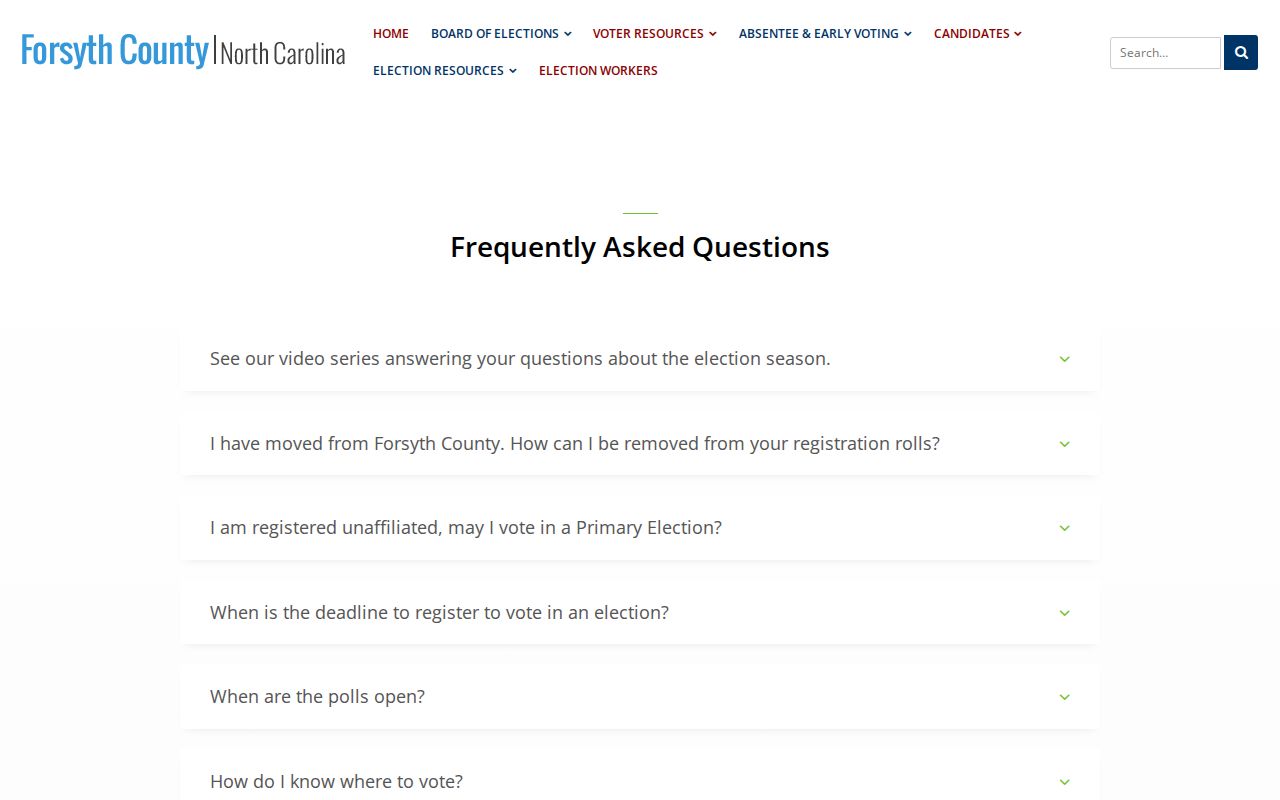
The State Board’s voter search is a useful current checkpoint when its public address and status align with other records. The Forsyth Elections guidance says the information is updated daily. It also cautions that a change of address, removal, or protected status can affect what appears.
Use voter information as one comparison field, never as a promise that every person in a household will be listed.
Note: A blank result can reflect a name variant, a different county, system timing, removal, sealing, or a protected address rather than an absence of records.
Verifying a Forsyth County Resident
To look up a resident carefully, anchor the name to the current public record first and then test it across independent sources. For a property question, distinguish the situs address, which identifies the physical parcel, from the owner mailing address, which can be an agent, post-office box, or address in another state. A deed can confirm title transfer but not current occupancy. The verification chain works because each source is answering a narrower question.
- Search the tax portal by owner or address and record the parcel ID, situs, mailing address, and most recent deed link.
- Search the voter system with first name, last name, Forsyth County, and the Registered status option. Compare only public address, status, precinct, and history details.
- Search the eCourts Portal for the name and its variants. Save the case number, filing date, case type, and public disposition detail.
- Use the Register’s vital index or the appropriate state, clerk, or Archives route to confirm an event. Request a certified copy from the custodian only when eligibility and purpose support it.
- Docket
- A court’s running case record, usually organized around a case number and its filings, hearings, and orders.
- Index versus image
- An index helps locate a record by its basic fields; an image is a view of the recorded document itself and may have different access rules.
- Certified copy
- A copy issued and authenticated by the custodian for matters that require official certification, rather than an ordinary web display or printout.
When an address grows into a street-wide question, use the Forsyth County street directory for the address-focused record trail rather than treating a one-person match as a list of everyone nearby.
Forsyth County Estate File Leads
An estate file is often the clearest route when the person being researched is deceased or connected to inherited property. In eCourts and the Clerk’s records, estates and special proceedings can use E or SP case types. Public portions of a file may identify a decedent, executor or administrator, heirs, property descriptions, and filing dates. Follow an estate name to a Register of Deeds instrument or an obituary only after matching the case date and family role.
A probate trail can answer a family-history or heir question better than an isolated name result because it identifies the person’s legal role. It still needs care. Sealed filings and confidential material remain unavailable, and a listed heir or executor is not automatically a current address. The historical household context is available through the Forsyth County city directory collections when a dated address needs another independent check.
Note: Stop at the last independently verified public record for a living or moved person, especially when an old address does not establish present whereabouts.
Forsyth County Vital Record Routes
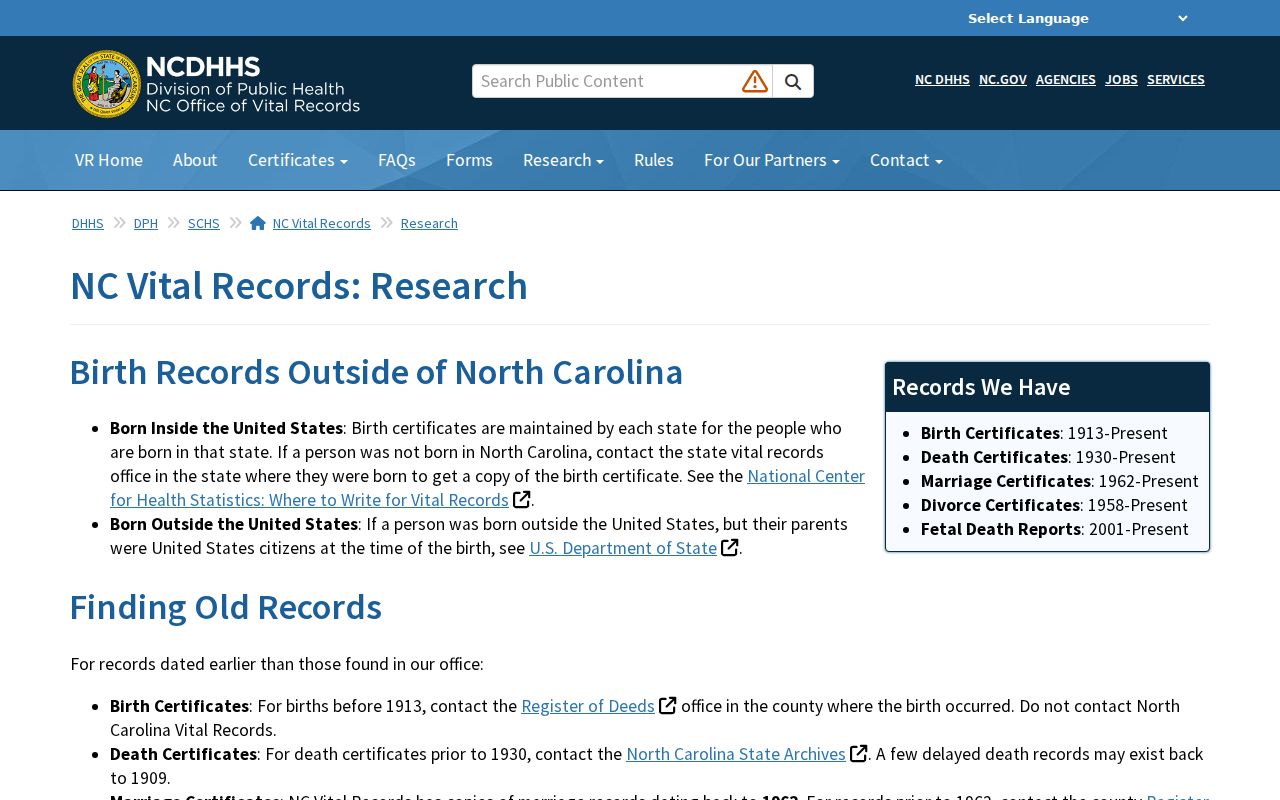
Vital records need the right custodian and the right period. The Forsyth Register of Deeds issues local birth, death, and marriage copies. NC Vital Records holds statewide records and has online scopes for births from 1913, deaths from 1930, marriage certificates from 1962, and divorce certificates from 1958. For a Forsyth birth before 1913, begin with the Register and county materials; for an earlier death, use the State Archives route. Divorce files remain with the Clerk where filed.
NC Vital Records research guidance distinguishes the state’s holdings from older-record routes. That separation matters because the local Register’s online search can show vital indexes but not online images of birth, death, or marriage records.
An index supplies names and dates for a request, while the certificate itself follows the custodian’s access rules.
At the local counter, a certified copy generally requires valid identification and a qualifying relationship or legal right. The Register lists a $10 local certified copy and a $0.50 uncertified copy, with walk-in issuance the same day and mailed requests processed in two to three business days before postal travel. Online ordering is limited to Forsyth-filed birth, death, and marriage records and has identity verification plus service and delivery charges that should be checked on the live order screen.
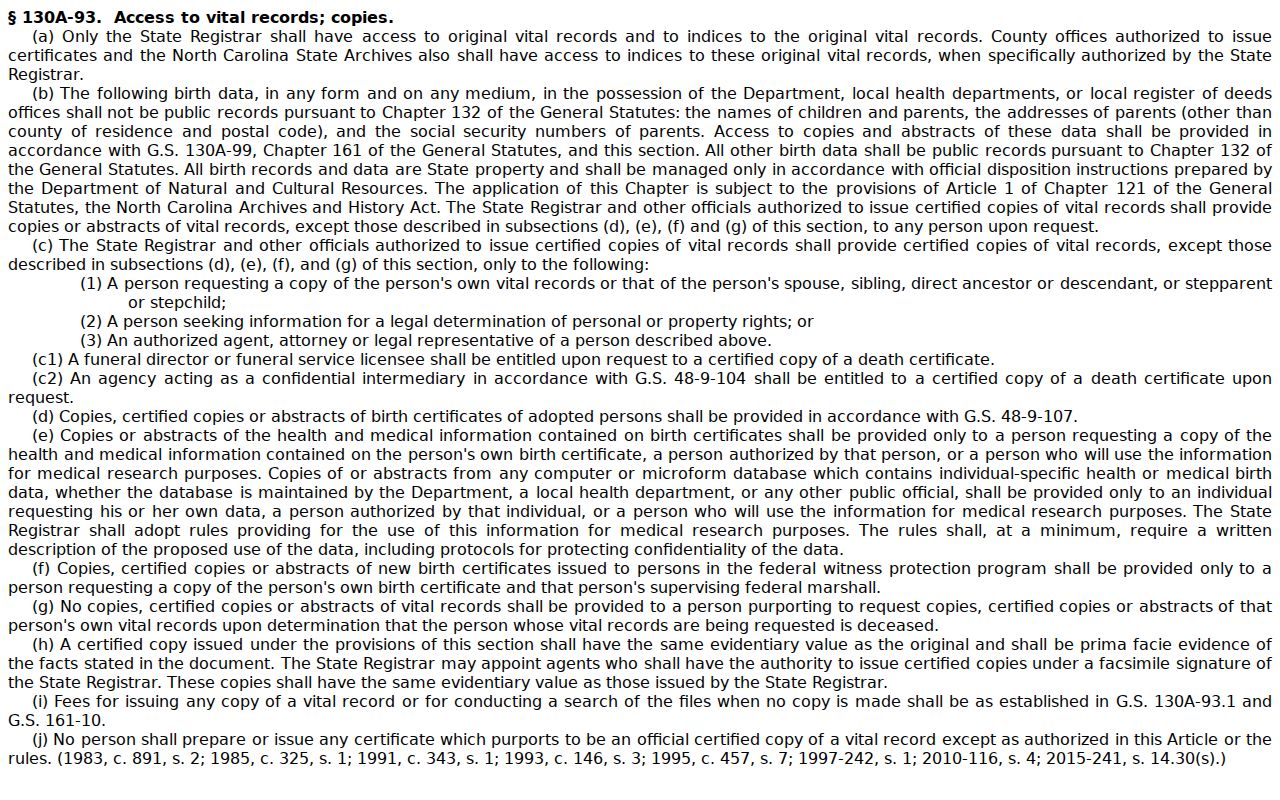
N.C.G.S. §130A-93 is the access rule cited for certified vital copies. The official source is the better place to confirm whether a relationship, adoption circumstance, or legal-rights request qualifies.
The statutory vital-record access source is shown here. It reinforces why a name in an index should not be treated as permission to obtain every certificate.
For a formerly adopted person, the limited local Adoption Birth Certificate route applies only to adoptions finalized in Forsyth and has its own eligibility conditions.
Forsyth County Resident Lookup Limits
North Carolina public-record access has real exceptions. Voter dates of birth, Social Security numbers, driver-license numbers, email, registration-agency identity, voter-ID photographs, and protected addresses are confidential under N.C.G.S. §163-82.10. Court seals and expunctions, juvenile matters, adoption material, protected victim information, and statutory vital-record limits can close an otherwise familiar record path. DMV and utility customer data are not public substitutes for an official resident record.
Lawful use. Use a Forsyth County resident lookup for personal, lawful research and respect records that are withheld. Never use a public record to stalk, harass, intimidate, or harm another person.
The North Carolina Address Confidentiality Program can provide a substitute address for survivors of domestic violence, sexual assault, stalking, or human trafficking. A missing voter address may therefore be a deliberate protection, not a data error. If a public record is wrong, identify the custodian, retain the case, instrument, or parcel number, and ask about the correction, redaction, sealing, or other process that applies to that record.
Forsyth County Records Request Options
When an online result ends, use the channel that holds the record. The Clerk’s terminal and paper file can supplement the Portal. The Register can direct an early deed search to books, microfilm, or image copies. The Board of Elections is the practical human route for official voter-data questions, while the NC Room and State Archives support historical work. North Carolina’s Public Records Law, Chapter 132, permits inspection or a request for an existing public record, but an agency does not have to create a new record and has no general statutory response deadline.
Make the request narrow: identify the office, record type, date range, and case, parcel, or instrument number if known. Ask only for fields needed for the research question and allow the custodian to redact protected identifiers. Access should be provided as promptly as possible under the law, subject to the relevant exception and actual or minimal reproduction cost unless another statute controls.
Note: A focused request and a documented no-record response are stronger research results than a guess based on a similar name.